

 Русский


 October 23, 2025
A mobile proxy farm is often used to deliver multiple dynamic IP addresses from mobile carriers at the same time. It can be needed to bypass blocks imposed by ISPs or regulators, for data scraping, social media promotion, software testing, or running large-scale marketing campaigns. With mobile proxy farms, you can tackle tasks of varying complexity that require anonymity and security on the internet.
How a mobile proxy farm works
Put simply, a mobile proxy farm is an intermediary that routes internet traffic through a mobile carrier’s IP address instead of a home or Wi-Fi connection. It’s used to simulate real user behavior online. This allows you to mask the actual IP address and location, as if the user were accessing the internet from a phone over 3G, 4G, or 5G. A mobile proxy farm typically operates as follows:
- Hardware. A mobile proxy farm is built from smartphones, tablets, and 4G/5G modems mounted in dedicated racks/enclosures. These devices are connected to a controller PC or server.
- Network access. Each SIM-equipped device goes online via a mobile carrier and receives a unique mobile IP address.
- Traffic management. A centralized dashboard is used to manage many devices: start/stop proxies on phones or modems, update software, change settings, and monitor device status, SIM cards, and connectivity.
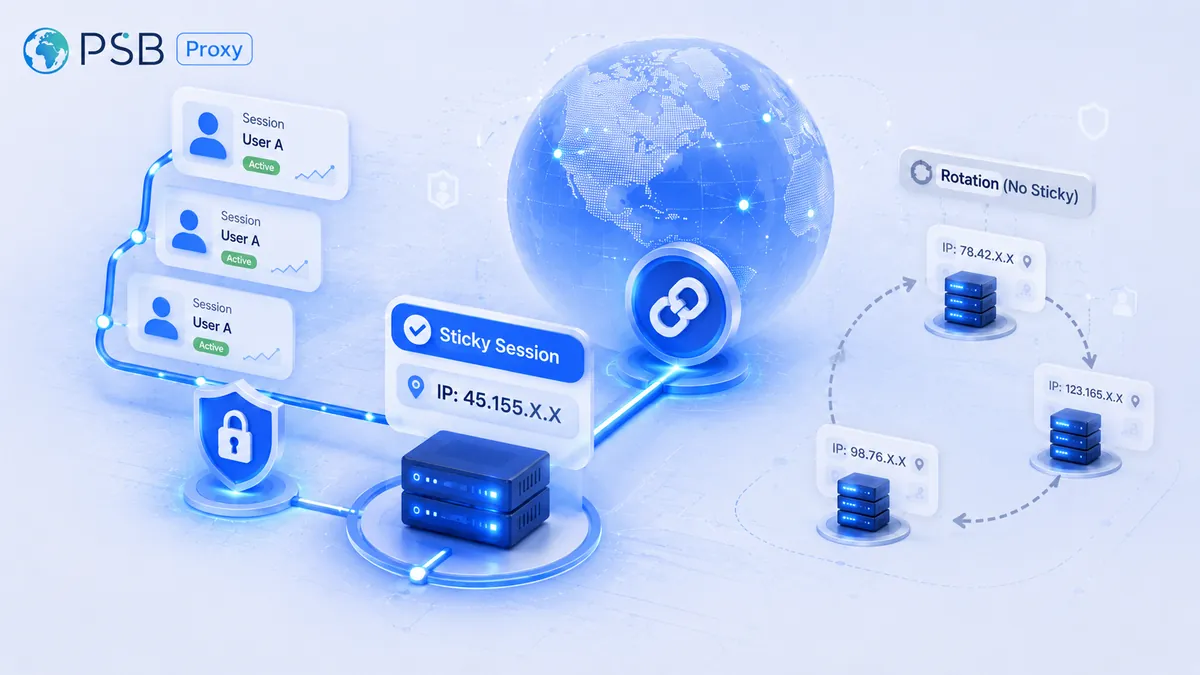
- Dynamic IP rotation. Specialized software selects the IP for outgoing requests and controls when it rotates, increasing anonymity and helping bypass IP-based blocks.
- Internet request. When a user sends a request, it’s routed through one of the farm’s mobile devices. To the destination site, the request appears to come from a real user’s handset at a specific location.
Building your own mobile proxy farm isn’t particularly difficult or expensive. For example, imagine a farm of 100 phones, each with its own SIM card from different carriers and placed in different locations. An app installed on these devices—controlled by a master server—starts and stops the proxies. The client pays a monthly fee to rent mobile proxy access. When a request is made, the system selects one of the devices, routes traffic through that device’s mobile connection, and returns the response to the user. So if the client wants an IP from Finland, the traffic is sent through a device connected to a Finnish mobile operator’s network.
Is it legal?
Using a mobile proxy farm is legal in itself. It depends on how it’s used and whether rules are followed. The user must ensure they are not violating the terms of service of the websites or online services they access. Mobile proxy farms can be created and used for the following legitimate purposes:
- testing software, mobile apps, or video games;
- checking website availability and performance;
- viewing content restricted by geography;
- SEO checks and web data collection;
- running large-scale marketing and analytics campaigns.
Company employees can also use mobile proxy farms legally. They provide secure user access to corporate networks, mask real locations, and reduce the risk of data interception.
When it’s fraud
Bad actors often use mobile proxy farms for illicit gain. Such software may be unlawful when used for:
- evading blocks by regulators or accessing prohibited sites that promote gambling, sports betting, sex services, pornography, or scams;
- mass spamming;
- selling or distributing user data without consent;
- creating large numbers of accounts on social networks, messengers, or online games;
- hacking accounts on forums, websites, social media, or in video games;
- inflating likes or views on video platforms and social networks.
If a mobile proxy farm is used for automated access to a service that forbids it in its terms, accounts may be suspended. A carrier may block SIM cards or IP addresses. There is also a risk of civil claims by individuals or organizations whose rights were violated through the farm’s use. Deceiving users via mobile proxy farms can lead to criminal liability. The operator of such a farm may incur financial losses from fines, legal fees, and compensation to affected parties.
How to make money with a proxy farm
Aspiring entrepreneurs often launch businesses based on mobile proxy farms. The primary monetization model is renting out mobile IP addresses through a billing system; potential revenue scales with the size of the farm and the number of clients. You can also buy proxies from large providers and resell them with a markup.
How much can you earn
Earnings from a proxy farm depend on several factors:
- the size of the farm (number of mobile devices and SIM cards);
- the rental price per proxy (per device, pool, or traffic);
- costs for devices, SIMs, space, and administration;
- utilization (if devices sit idle often, revenue will be low).
With a farm of 50 devices, you can rent each as a mobile proxy at 500 RUB/month – this totals about 24,000 RUB/month. After expenses, net profit might be around 15,000 RUB. Scaling the farm to 500–1,000 devices can increase revenue significantly, but will also raise costs for connectivity, hardware, and maintenance.
How to build your own proxy farm
Setting up a proxy farm involves assembling the hardware (modems, servers, SIM cards) and configuring software to manage proxy connections. The main build options are:
- Phone-based. Use older Android smartphones that can run specialized software to create mobile proxies. Make sure the phones have enough memory and can operate stably. The chosen devices must maintain reliable connections to the mobile network or Wi-Fi.
- Modem-based. A more reliable monetization route. Build a farm from USB modems connected to a server. You’ll need a 10–20 port USB hub and adequate power supplies.
Modems are preferable for large-scale IP rotation and scraping because they’re easier to manage and more economical to scale. Smartphones are optimal when you need to work continuously with mobile apps and ensure a high level of anonymity.
Step-by-step guide to building a proxy farm
Creating a mobile proxy farm is a non-trivial task that requires preparation and specialized equipment. It includes the following stages:
- Hardware procurement. Buy SIM cards with sufficient data, USB modems (preferably 4G/LTE), USB hubs with the required number of ports, power supplies, and cables. Use a powerful server or PC to control the modems and run proxy server software.
- Hardware assembly. Connect the modems and USB hubs to the server. Make sure the power budget is adequate for all devices.
- Software installation on devices. Install specialized software to manage proxies. It should support IP rotation control through the modems.
- Network setup and routing. Configure tunnels, the admin panel, the client database, and VPN to ensure user security.
- Testing. Check device operability, speed, and latency. IP addresses must match the region required by the user.
- Launch and marketing. Prepare a website and a customer-facing control panel. Set pricing, terms of service, and support policies. Promote your service on social networks and relevant forums.
- Maintenance and scaling. Regularly check devices, replace SIM cards, and fix technical issues. Scale the farm gradually without sacrificing service quality.
If you build a mobile proxy farm with reliable hardware and certified software, you can meet the demands of even the most discerning clients.
Rent vs. Own: Which is more cost-effective?
The choice between renting a mobile proxy farm and building your own depends on your goals and traffic volume. Renting requires lower upfront investment—no need to buy expensive hardware or handle complex setup—though you may face limits on bandwidth and speed. Owning a farm pays off long-term. Its key advantages are:
- full control over traffic and anonymity;
- freedom to scale the farm and rotate IPs as you wish;
- the ability to earn by renting out proxies yourself.
If you have the budget, resources, and time to set up and maintain the infrastructure, a self-owned farm can be far more profitable than renting from a provider.
How to spot scammers: red flags
To avoid getting scammed when renting a mobile proxy farm—and to prevent costly mistakes - watch for the following:
- Inaccurate service information. You should be given clear details about server locations and farm specifications so you can choose the right setup.
- No official documentation. Look for licenses, certificates, a contract, and a legal address. Missing paperwork can indicate an unreliable provider.
- Prices that are too low or unreasonably high. An unrealistically low fee often signals poor quality (e.g., outdated hardware). Conversely, don’t overpay for inflated “premium” offers.
- No trial period. Scammers avoid letting you test the proxies so you can’t detect issues. Reputable providers offer a trial.
- Suspicious reviews. On niche sites, forums, and social media, a flood of look-alike reviews can be fabricated. Genuine reviews are moderated and diverse.
- No support. You’ll need help if issues arise. Reliable support should be 24/7 with prompt responses.
A mobile proxy farm can generate steady income if you set it up properly and avoid rash decisions. It’s well suited for secure browsing, bypassing geoblocks, and optimizing business workflows.