

 Русский

 October 23, 2025
Modern online workflows demand stable, secure connections. Companies, marketers, analysts, and individual users face geolocation restrictions, blocking risks, and potential data loss. Residential proxies help address these issues by providing anonymity and a high level of traffic protection.
Unlike data-center IPs, which are frequently flagged, residential proxies appear as typical connections from real users. This makes them indispensable for social media management, email marketing, web scraping, and handling multiple accounts.
Interest in this technology is growing rapidly because it solves several tasks at once:
- protects personal data and corporate networks;
- helps collect market intelligence;
- reduces the risk of blocks during brand promotion;
- ensures stable operation under geolocation constraints.
Thanks to their flexibility and scalability, these solutions are equally useful for small businesses and large enterprises working with high data volumes.
What Are Residential Proxies?
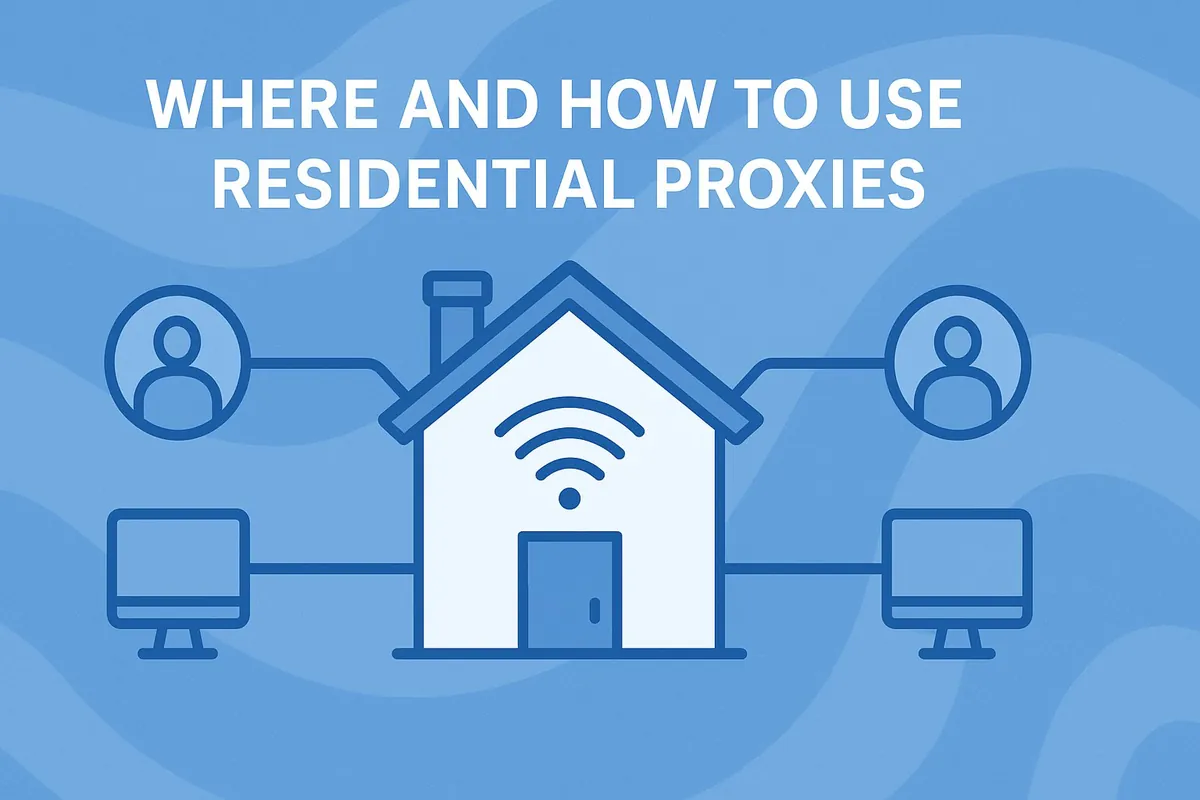
Residential proxies are IP addresses assigned to real end-user devices (e.g., home computers or smartphones) and delivered through specialized provider networks. When you browse via a residential proxy, websites see you as an ordinary user from a specific country or city.
The key difference from data-center solutions is traffic authenticity. Data-center IPs are easier for anti-abuse systems to detect and block, whereas residential IPs have the reputation of “real” users and trigger fewer fraud alerts.
Benefits of residential proxies:
- High level of anonymity and security.
- Ability to choose a specific country or region.
- Stable connections without revealing a server IP.
- Real-user traffic that is less likely to be blocked.
Support for complex workflows - multi-accounting proxies, bulk emailing, and email-marketing automation.
Using these IPs, marketers and data teams can safely run ad campaigns, verify content across regions, and avoid platform access restrictions.
Marketing Use Cases
In modern digital marketing, anonymity and data accuracy are key to campaign success. Residential proxies help with competitor analysis, ad testing, and multi-account management -without triggering blocks.
- Social media management.
Running multiple profiles on platforms like Facebook, Instagram, or TikTok requires social-media proxies. Logging in from a single IP quickly looks suspicious and gets accounts flagged. Residential proxies distribute traffic across real-looking addresses, simulating users from different regions. - Email marketing & bulk sends.
Mass campaigns and mailbox testing need stable, clean IPs. Using mailing proxies helps keep messages out of spam and safely run A/B tests. Residential IPs can also mimic recipients from different countries to check rendering and user response. - Analytics & competitive intelligence.
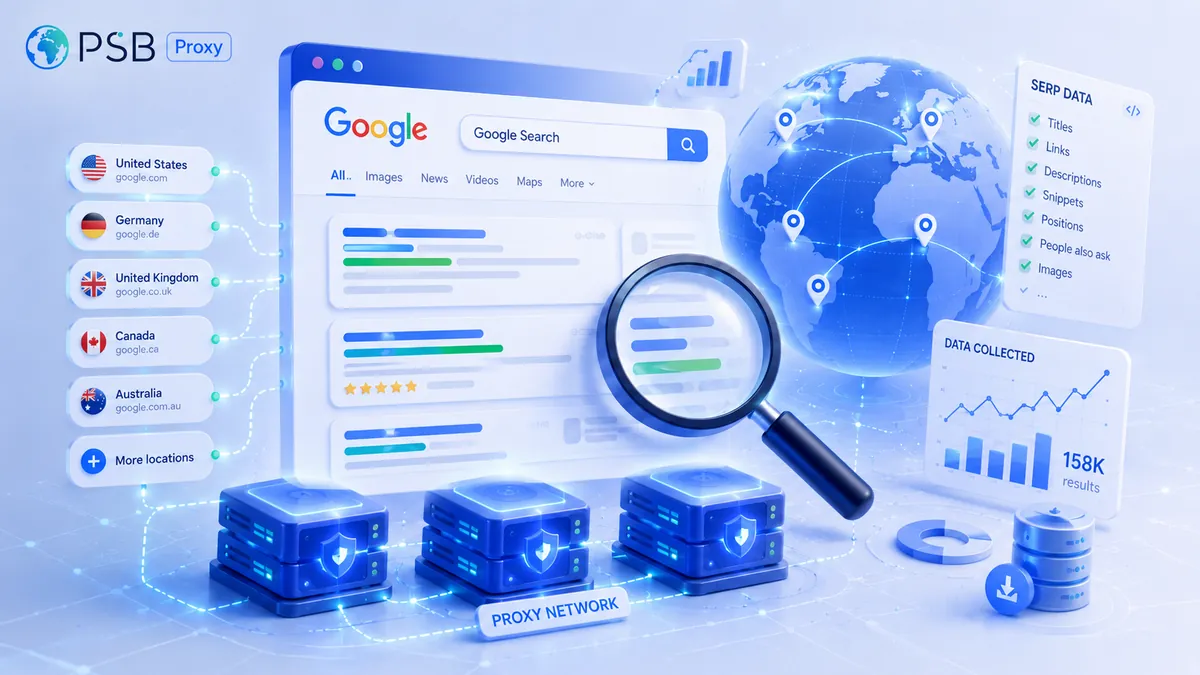
Marketers track competitor prices, promos, and rankings. Without proxies, these queries are often throttled or blocked. Residential IPs let you check SERPs, brand visibility, and ad performance without personalization bias. - Geomarketing & local testing.
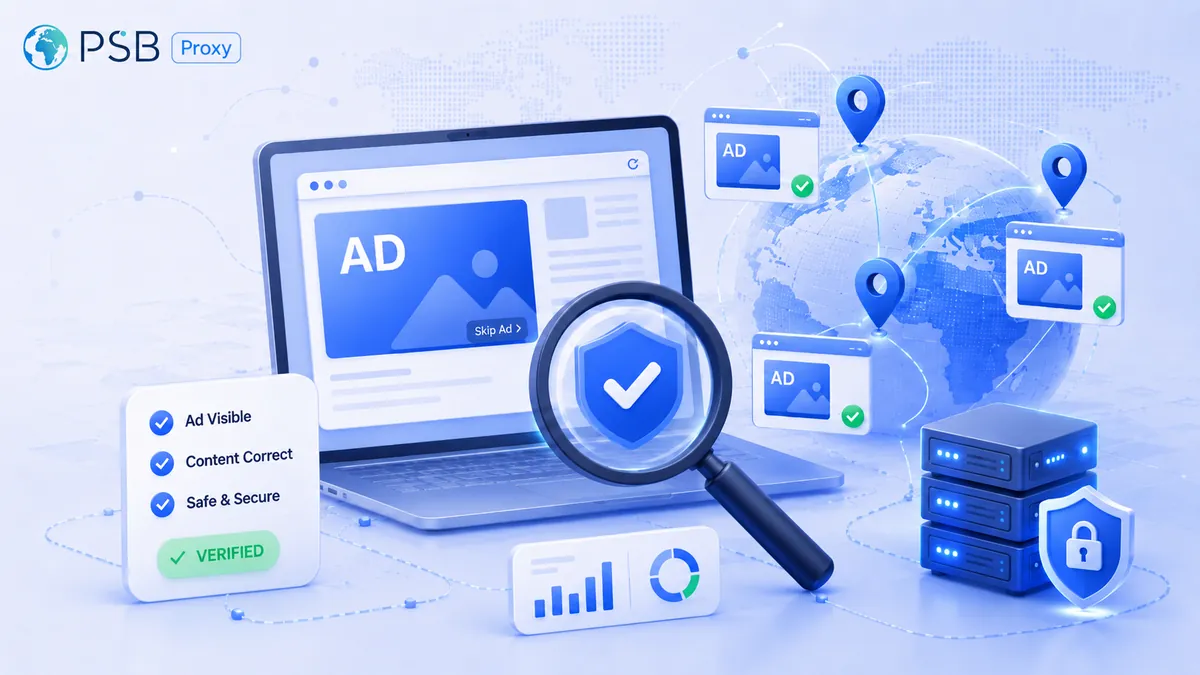
Residential proxies show how users in specific regions see your ads or site. This is essential for local launches, ensuring creatives display correctly in target cities.
Use in Data Scraping
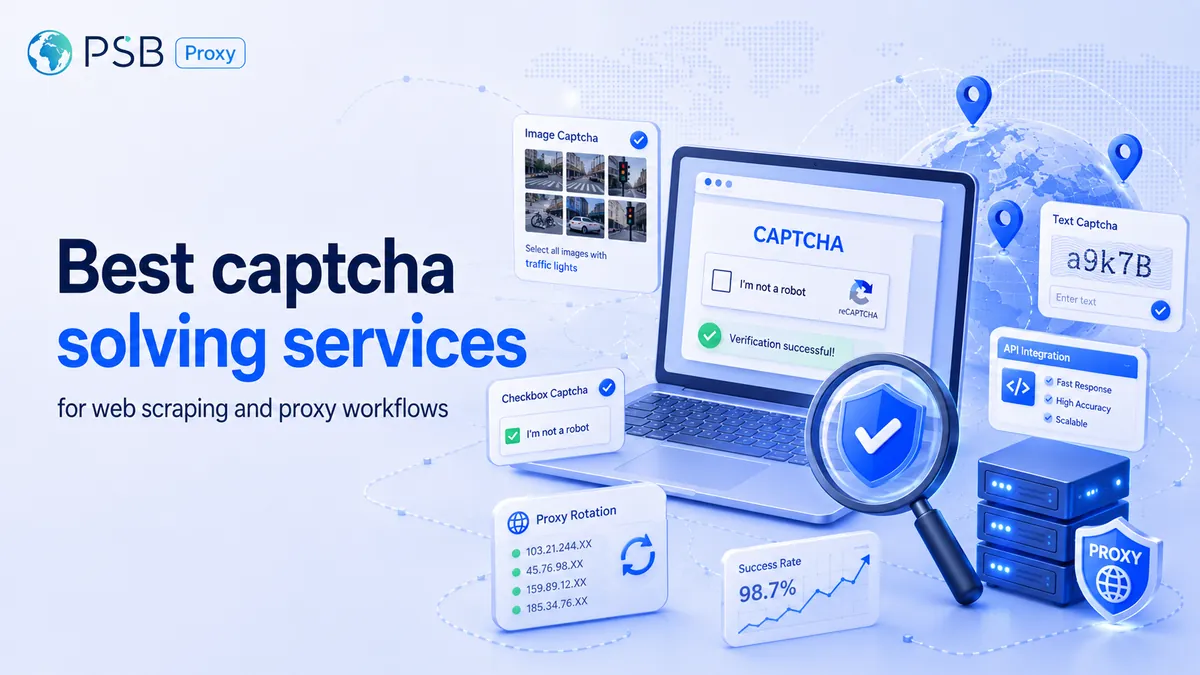
Data scraping underpins marketing analytics, price monitoring, and market-trend assessment. Many sites, however, actively defend against automation by detecting scripts and blocking suspicious IPs.
Residential proxies solve this by enabling unrestricted access to public data. They let you gather large volumes quickly while remaining “invisible” to anti-bot systems.
Typical scraping scenarios with residential proxies:
- Monitoring competitors’ prices and assortments.
- Analyzing product reviews and ratings.
- Collecting contact data for marketing databases.
- Tracking SEO positions and site visibility.
Because each request originates from a unique, real-looking IP, results are more reliable. This reduces bias, prevents blocks, and allows safe automation of routine data-collection tasks.
Use for Security
One of the key advantages of residential proxies is stronger data protection and user privacy. As cyberthreats and data leaks become routine, routing traffic through intermediary nodes reliably hides the real IP address and helps prevent targeted attacks.
- Protecting corporate networks.
Companies handling sensitive data use residential proxies to filter and route traffic. This lowers the risk of DDoS, phishing, and unauthorized access to internal resources. Each request goes out via a protected address, making the system practically invisible to attackers. - Employee anonymity and confidentiality.
Marketing teams, SMM specialists, and analysts can use proxies for multi-accounting to separate profiles and work sessions. This is both convenient and safer, as corporate data isn’t “exposed” when logging into social networks, analytics services, or ad platforms. - Protecting personal data and mail services.
Residential IPs are also used in email marketing to test sending and delivery. By using mailing proxies, you can validate infrastructure without risking blocks on the main domain. This also helps prevent leaks when connecting to CRMs and cloud platforms. - Safe access to web services.
Some platforms throttle request rates or restrict access by geography. Residential proxies allow you to bypass such filters safely and without violating terms of use. This is crucial for companies operating internationally that need consistent connectivity from multiple regions.
Less Obvious Use Cases
Beyond standard scenarios (marketing, scraping, anonymization), residential proxies are valuable in adjacent areas where stability, geolocation, and privacy are critical.
Traffic Arbitrage
In arbitrage, you must test ad campaigns from different countries and devices to get accurate conversion metrics. If you use regular datacenter IPs, platforms often block such traffic.
Residential proxies solve this by providing “clean” addresses of real users. This lets you test offers, track redirects, and evaluate creative performance without risking sanctions from ad networks.
Benefits:
- Safe management of multiple accounts.
- No bans for “suspicious” traffic.
- Realistic simulation of user behavior across countries.
Managing Crypto Assets
Many exchanges and DeFi platforms restrict access by region. With residential proxies, traders can manage wallets, monitor prices, and connect to exchanges that are otherwise unavailable in their country.
Using real, residential IPs also lowers the risk of account flags for “suspicious activity” and helps protect crypto wallets from phishing attempts.
Benefits for traders:
- Secure connections to exchanges.
- Ability to operate multiple accounts.
- Reduced likelihood of login-related blocks.
International Negotiations & Business Communications
Companies negotiating with overseas partners use residential proxies to secure communications and ensure counterparties’ sites render correctly. This matters when accessing restricted corporate platforms or region-locked web conferences.
A distributed network of residential IPs provides stable connectivity and protection against data interception - especially critical for firms working under NDAs and personal contracts that demand maximum confidentiality.
Common Mistakes
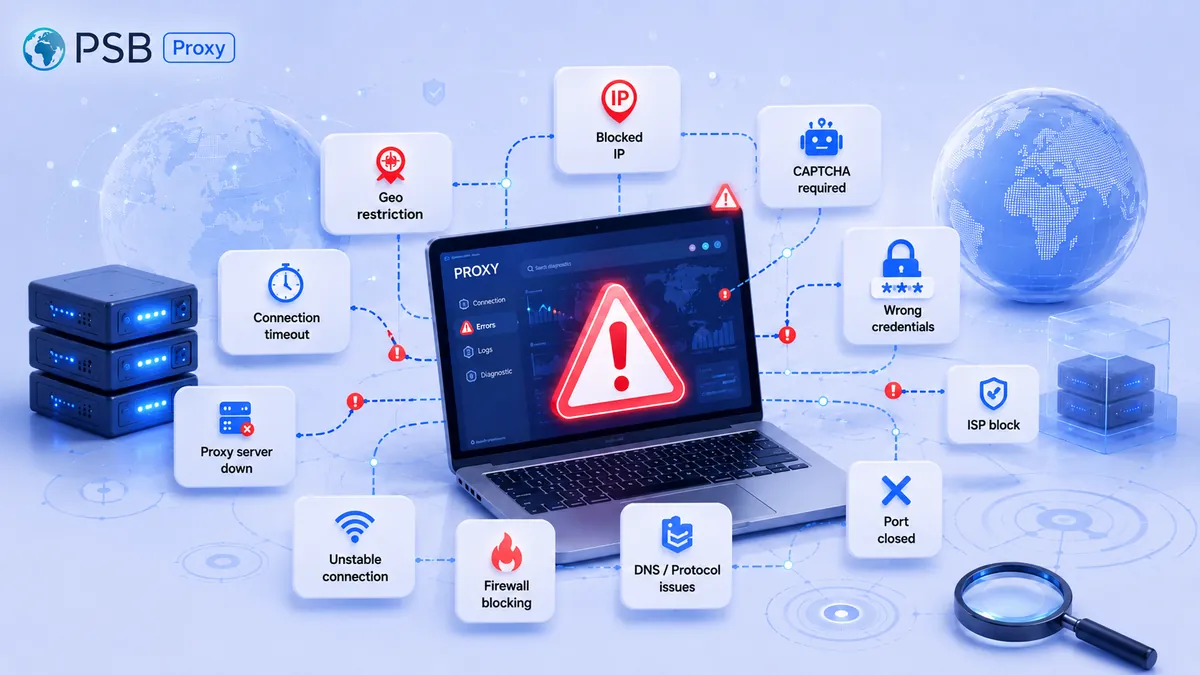
Despite their clear advantages, residential proxies require care and technical literacy. Configuration errors or choosing the wrong provider can negate the benefits.
The most frequent mistakes are:
- Using low-quality IP sources. Free or suspicious proxies are often flagged in spam databases and quickly blocked. Reliable networks supply only vetted residential IPs.
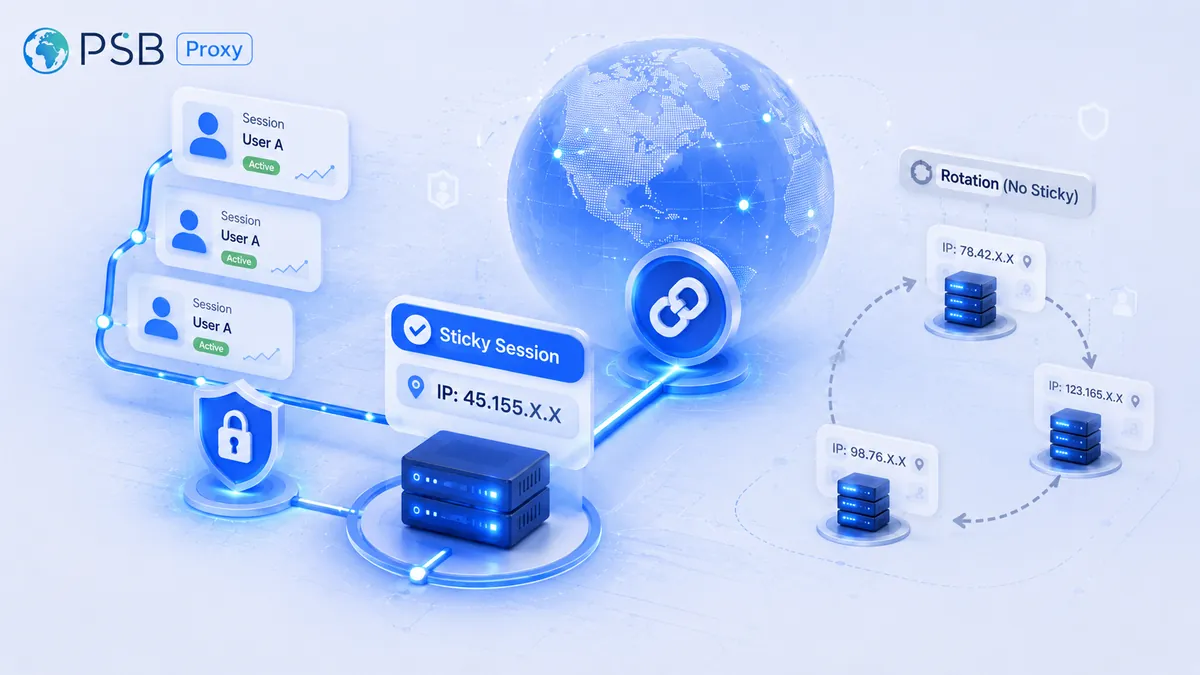
- No IP rotation. Reusing the same address raises the risk of bans. For high-volume tasks (social media, email marketing) enable dynamic rotation.
- Wrong geolocation. Choose country/region based on your target audience and each platform’s requirements.
- Ignoring connection security. Skipping HTTPS or other safeguards can expose traffic to interception.
- Poor account segregation. In multi-account workflows, each profile needs a unique IP and cookie set; otherwise platforms will link them.
Conclusion
Residential proxies are a versatile tool for safe and effective work with data, marketing, and communications. They provide strong anonymity, help bypass restrictions, and maintain stable connectivity for both corporate and personal use.
Used correctly, they enable risk-free email marketing (including proxies for mailings), multi-account social management, and protection of internal company data. Residential IPs make the online environment more flexible, while keeping businesses better shielded and less dependent on geographic or technical barriers.